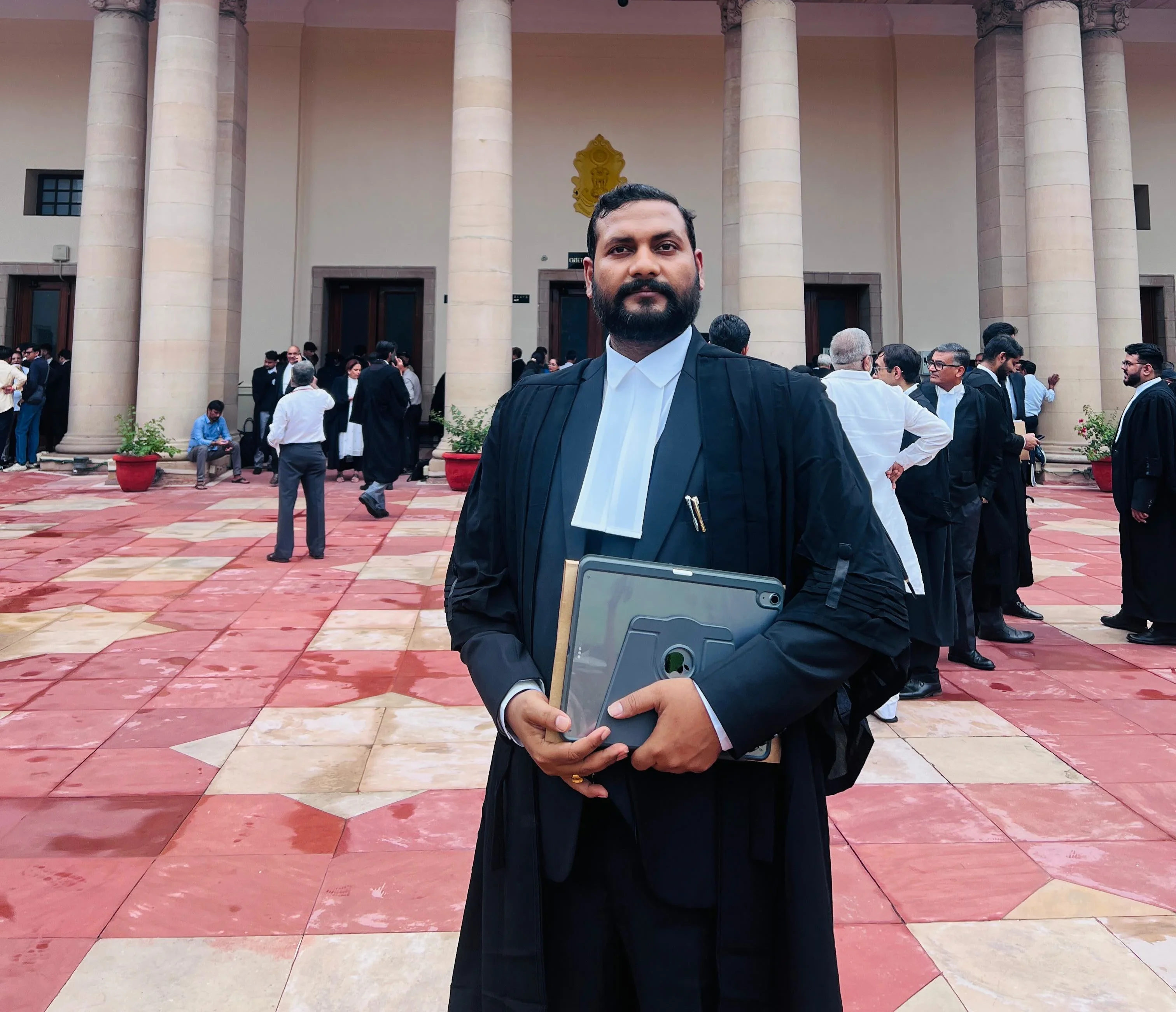
Over 20 years of experience in defending complex NGT cases.
The Central Zone Bench of the National Green Tribunal gives more weight to pleadings that are based on science, such as inspection memos, environmental audits, and compliance records. Our filings turn technical evidence into relief that can be enforced and has a time limit.
We make sure that each petition meets legal and scientific standards while also being short and ready for the Bench by using data from accredited labs, aquifer and drainage maps, satellite layers, and waste stream audits.
Some common arguments are about letting untreated sewage out, old landfills, stack emissions, quarrying impact, noise rules, and keeping urban green space safe. A restoration schedule and measurable results keep track of each of these.
Pleadings for the Environment Based on Proof
The filings follow the Air, Water, and Environment Acts and are backed up by data from accredited labs, inspection notes, and compliance grids that the NGT in Bhopal can easily see.
Site-level audits of compliance
We work with other groups, send in ATRs on time, and keep geo-tagged field records so that every Bench direction makes real, measurable changes on the ground.
We turn tribunal orders into real actions in the field, like giving people tasks, keeping dated site logs, and setting phased milestones. This makes things better for the environment in Madhya Pradesh, Chhattisgarh, and nearby districts.
We help residents, MSMEs, and public bodies in front of the Central Zone Bench by giving them ready-made pleadings and compliance pathways that make sure the ecological restoration lasts.
Important Environmental Issues We Discuss
Our Central Zone desk handles tough and important problems like
How We Do Things in the Central Zone
We want to see measurable recovery, which means that Bench directions should lead to clear, verifiable environmental improvements in all Central Zone jurisdictions.
We have a legal technical playbook that turns assessments into actions that can be enforced. It keeps track of progress from the first filing to the certified closure, with results that can be measured and verified in the field.
How to File Central Zone Bench Papers
Overseeing the whole process before the Central Zone Bench
We want to make a real difference in the world by cleaning up the air, protecting the water, and helping the environment recover in Central India.
Why You Should Use Our Bench Desk in the Central Zone
Central Zone cases are based on things that can be checked, like baseline measurements, geo-tagged media, certified lab data, and letters from agencies. We turn Bench directions into tasks with due dates and milestones that are given to certain people. This way, photos, GPS traces, and acceptance notes from CPCB/SPCB and district authorities can be used to check on progress on site.
There is a combined file for each filing that has inspection memos, geo-stamped images, sampling chains, QA/QC logs, and schematic sketches that show how to pray for relief. Cross references and page tags help the Bench find evidence quickly.
Pleadings, affidavits, and annexures must follow the current rules for e-filing and citation formats. There are also pages for certification and notes on how to tell if data is real. We check for defects ahead of time to keep things moving and make sure everyone follows the same rules.
An order book is made that shows who will do what, when, and how proof will be kept. The tracker keeps track of the ATR cadence, field photos, notes from contractors and agencies, and status flags for each checkpoint.
Drone surveys, GIS overlays, and RTK GPS route traces all show that buffer enforcement, drainage restoration, landfill remediation, and greenbelt creation are all going on. There is a date and a map with each upload that shows the right way to go.
To make sure the science is sound, independent experts check the sampling design, instrument calibration, QA/QC documentation, and analytical interpretation. When necessary, parallel testing is used to look at readings that are in doubt again.
There is a clear record of roles, timelines, and responsibilities. People are more likely to take part and hold others accountable when communities, MSMEs, and local governments get updates in plain language along with formal filings.